Surfaces That Stand Up to Daily Water Exposure
Vanity Top Coatings in Rosedale for outdated bathroom surfaces showing water damage and permanent stains
Fancy Finishes Epoxy Floors applies waterproof protective coatings to bathroom vanities in Rosedale, transforming worn surfaces into crack-resistant, modernized finishes. You need this service when countertops show discoloration from water pooling around sinks, when old laminate edges lift from moisture intrusion, or when daily cleaning no longer removes embedded stains. The refinished surface creates a seamless barrier that prevents water from seeping into substrate materials where mold and rot develop over time.
The coating process addresses both structural damage and aesthetic deterioration by first repairing cracks that allow water penetration, then applying multiple layers of epoxy formulated to bond with existing vanity materials. You can choose between high-gloss finishes that reflect light in smaller bathrooms or satin finishes that hide minor surface imperfections while still providing complete moisture protection.
Schedule a bathroom assessment to evaluate current vanity damage and discuss finish options.
What Proper Vanity Refinishing Requires
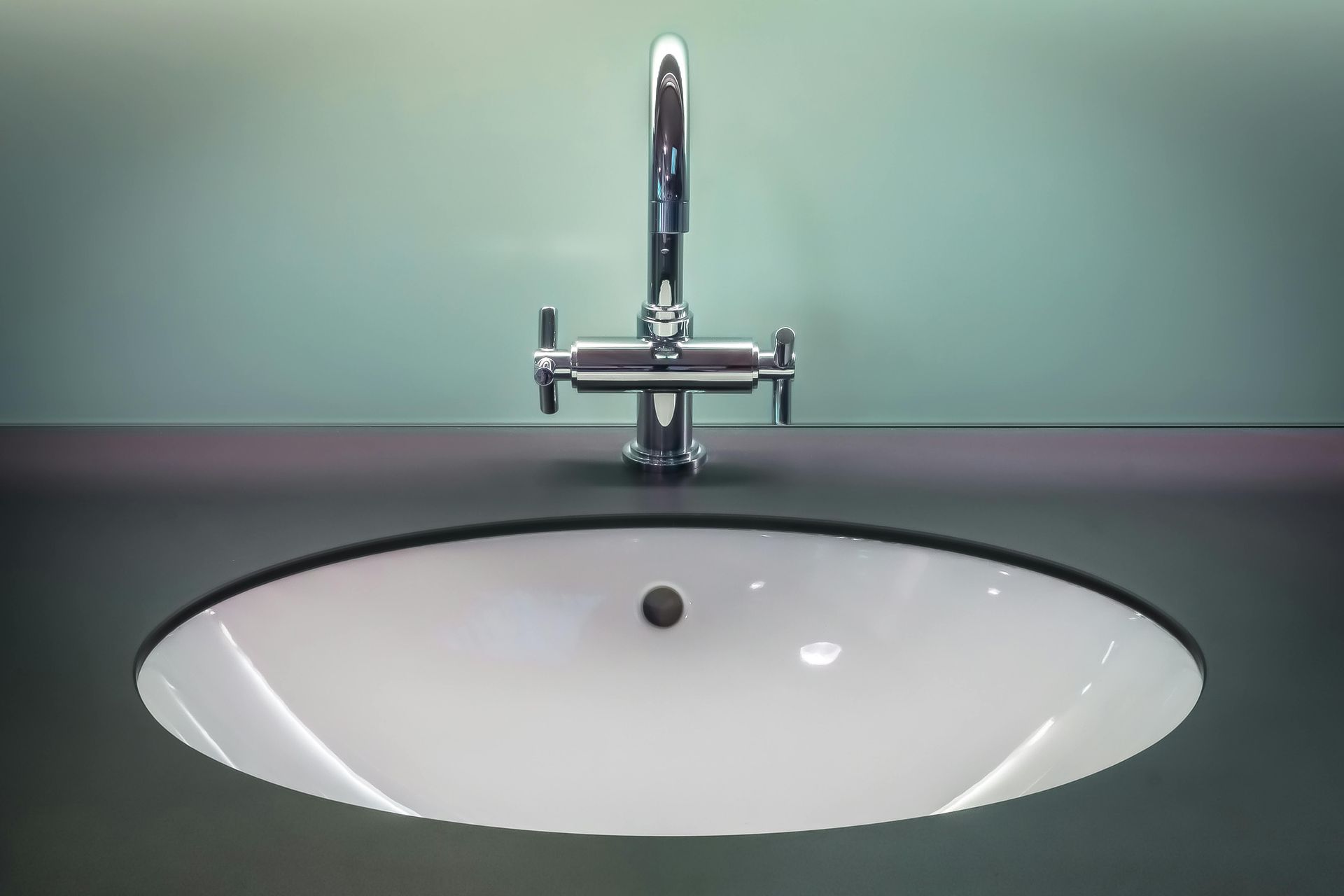
Surface preparation determines whether coatings adhere permanently or begin peeling within months. Existing finishes must be abraded to create mechanical bonding surface, cracks filled with two-part epoxy repair compounds, and all soap residue removed with solvent cleaners before any protective coating touches the vanity. Custom decorative styles become possible once the base layers cure, allowing for pigment additions or pattern work that coordinates with tile and fixture colors.
After Fancy Finishes Epoxy Floors completes the application, water beads and rolls off the surface instead of soaking in, toothpaste and cosmetics wipe away without leaving permanent marks, and the vanity edge no longer swells when splashed. The coating remains non-porous even where faucets drip constantly, and the finish maintains its clarity rather than yellowing under bathroom lighting.
The vanity remains out of service during the curing period, typically requiring alternative bathroom access for one to two days depending on coating thickness and ventilation conditions. The refinished surface handles cleaning products that would damage unsealed materials, though abrasive scrubbers can dull the finish over time if used aggressively on gloss coatings.
Answers to Frequent Service Questions
Property owners in Rosedale often ask about durability expectations and finish maintenance before committing to vanity refinishing.
What makes epoxy coatings waterproof compared to standard paint?
Epoxy cures through chemical cross-linking rather than evaporation, creating a continuous molecular structure with no gaps where water molecules can penetrate. Standard paints dry by solvent evaporation, leaving microscopic spaces between pigment particles that eventually allow moisture through.
How does surface preparation differ for laminate versus tile vanities?
Laminate requires aggressive sanding to break through the factory gloss layer and create texture for mechanical bonding, while tile needs deglossing without removing grout material and may require crack isolation membrane over grout lines that flex. Both substrates must be solvent-wiped to remove oils that prevent adhesion.
When should I refinish rather than replace a damaged vanity?
Refinishing works when the cabinet structure remains solid and only the top surface shows damage—water stains, scratches, outdated color, or minor cracking. Replacement becomes necessary when cabinet boxes show rot, when vanity dimensions no longer suit plumbing configurations, or when structural support has failed.
Why do some coatings yellow while others stay clear?
UV exposure breaks down certain epoxy formulations, causing amber discoloration especially in bathrooms with windows. UV-stable formulations include additives that absorb ultraviolet light before it degrades the polymer chains, maintaining clarity even in sun-exposed applications.
What stain resistance can I expect from satin versus gloss finishes in Rosedale bathrooms?
Both finish types provide identical chemical resistance since stain protection comes from the coating's non-porous structure, not its sheen level. Gloss finishes show water spots more readily but wipe clean easily, while satin finishes hide minor etching from acidic products but require slightly more effort to remove dried residue.
Fancy Finishes Epoxy Floors provides detailed care instructions specific to your chosen finish type. Request a project consultation to review vanity condition and select coating options that match your bathroom use patterns.