
Floors Designed for Tire Traffic and Fluid Spills
Garage Floor Coating Systems in Rosedale for residential garages with stained concrete and crumbling surfaces
Uncoated garage concrete absorbs automotive fluids that wick deep into the slab, creating permanent shadows that spread with each leak. Flake epoxy garage floors from Fancy Finishes Epoxy Floors seal concrete pores with oil- and chemical-resistant coatings that prevent penetration while adding non-slip textures through broadcast flake chips. You stop ongoing damage when the coating system locks out moisture that freeze-thaw cycles use to fracture surface concrete and pop aggregate loose from the cement matrix.
Crack repair preparation addresses existing structural damage before coatings go down, routing out failing material and filling voids with flexible repair compounds that move with seasonal slab expansion. Fast-curing systems minimize garage downtime—most residential garage upgrades allow foot traffic within 24 hours and vehicle loads within 72 hours of final coat application.
Schedule a garage evaluation to identify crack patterns and discuss color options.
What You Notice Once Installation Is Finished
Installation starts with diamond grinding or acid etching to open concrete pores, then crack repairs using epoxy compounds matched to surrounding material flexibility. Base coat application fills surface voids and creates bonding layer for subsequent coats, followed by broadcast of decorative flakes while epoxy remains tacky so chips embed partially rather than sitting on the surface. Final clear topcoats encapsulate flakes and create the protective barrier that actual tire contact and chemical exposure interact with.
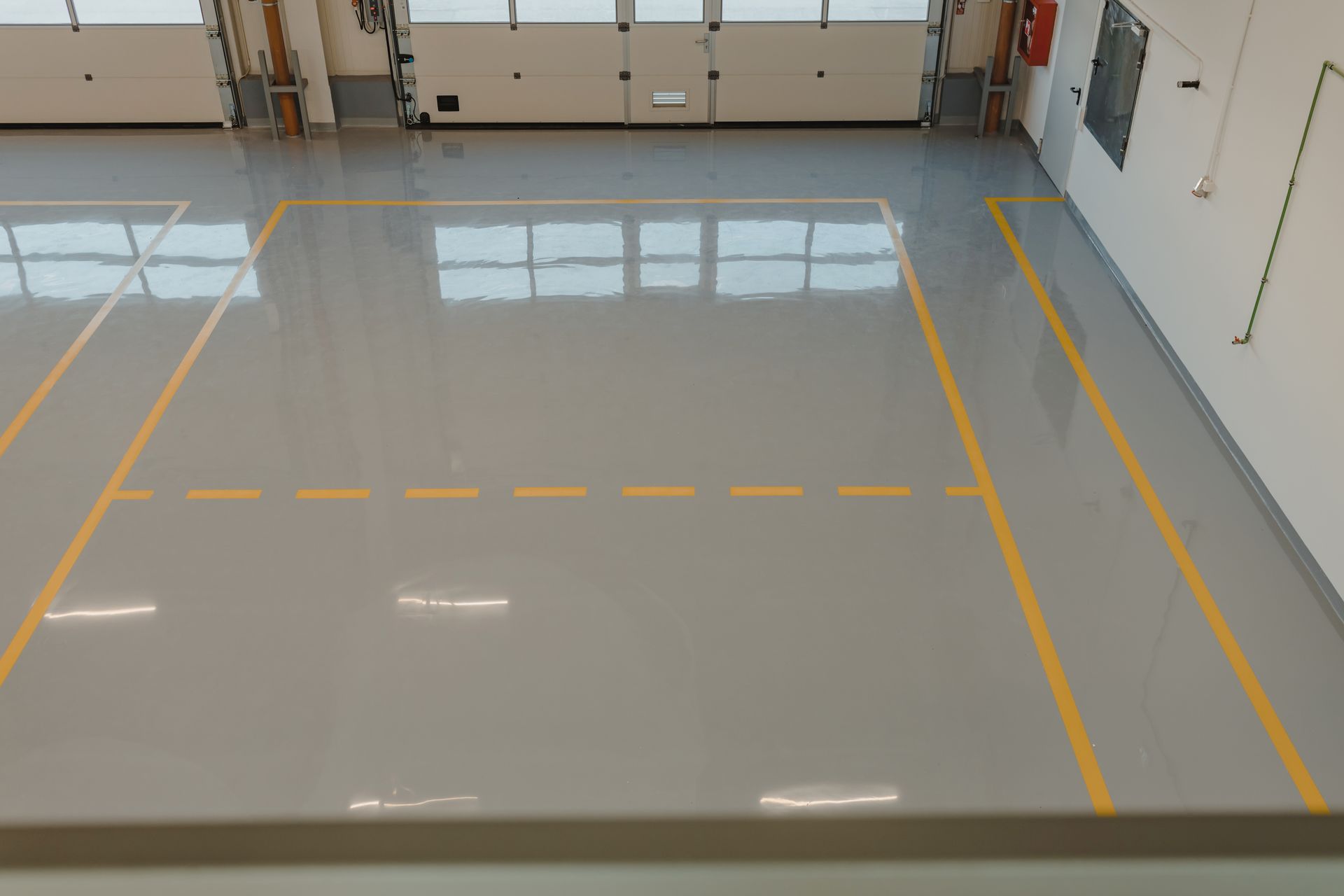
After the system cures fully, oil drips from engines bead on the surface and wipe up with absorbent pads instead of soaking in, tire marks from hot rubber no longer leave permanent black streaks, and the textured finish maintains traction even when wet from snow melt or washing. The floor reflects overhead lighting rather than absorbing it into porous concrete, making the space brighter without additional fixtures.
Coating performance depends heavily on concrete moisture conditions at installation—slabs with active hydrostatic pressure will delaminate coatings regardless of preparation quality. Winter installations in Rosedale require climate control since epoxy won't cure properly below 50 degrees, and high humidity during cure can cause surface blush that reduces clarity and gloss.
Questions Before Starting Your Project
Homeowners in Rosedale planning garage upgrades usually need specific information about durability and maintenance expectations.
What determines whether garage concrete needs moisture testing before coating?
Any slab without vapor barrier underneath, slabs showing efflorescence or previous coating failure, and garages below grade require moisture testing since trapped water vapor will push coatings off. Surface testing involves taping plastic squares to concrete and checking for condensation after 24 hours—moisture presence indicates coating will fail.
How do flake broadcast patterns affect final appearance and functionality?
Full broadcast creates nearly solid flake coverage with minimal base color visible and maximum texture for slip resistance, while partial broadcast shows more base coat color with less pronounced texture. Flake size also matters—larger chips create more aggressive texture but can feel rough underfoot, while fine flakes provide subtler texture suitable for spaces used beyond vehicle storage.
When should cracks be routed and filled versus left as-is under Rosedale garage coatings?
Active cracks that open and close with temperature changes must be routed into V-grooves and filled with flexible sealants that accommodate movement, otherwise coatings crack along the same lines. Static hairline cracks can be filled flush since they won't propagate, but control joints intentionally cut into slabs should be honored with crack isolation strips rather than coated over.
Why do some coatings fail around garage door openings while the rest remains intact?
This area experiences the most temperature cycling and UV exposure, plus salt and moisture track in from outside, creating harsher conditions than interior sections face. Proper installation includes extra surface preparation and sometimes modified coating chemistry in the transition zone to handle these specific stresses.
What chemical resistance means for garage floor maintenance?
The coating prevents gasoline, antifreeze, brake fluid, and oil from etching or staining concrete, but prolonged exposure to strong solvents or battery acid can soften epoxy if not cleaned promptly. Regular sweeping and occasional degreaser mopping maintain appearance, while avoiding metal shovels and sharp impacts prevents coating damage that exposes underlying concrete.
Fancy Finishes Epoxy Floors provides specific maintenance guidelines based on your coating system and garage use. Contact our team to review your garage condition and establish realistic expectations for preparation work needed before coating installation.