Repairs That Stop Deterioration Progression
Concrete Surface Restoration in Rosedale for worn floors showing surface scaling and failed previous coatings
Concrete degradation accelerates once surface protection fails—moisture intrusion expands cracks, freeze-thaw cycles pop aggregate loose, and chemical exposure etches away cement paste between stones. Fancy Finishes Epoxy Floors addresses this progression through surface crack repairs, concrete resurfacing, and protective coating applications that restore structural integrity while improving appearance. Old floor refinishing begins with damage assessment to distinguish cosmetic wear from structural failure requiring different intervention levels.
Residential and commercial restoration follows similar technical principles but differs in material selection based on load requirements and downtime constraints. Surface sealing solutions create barriers against further moisture ingress and chemical attack, giving repaired concrete the protection it lacked during initial construction when builders often leave slabs unsealed.
Arrange an on-site inspection to map damage patterns and develop appropriate repair strategies.
The Difference Between Repair and Resurfacing
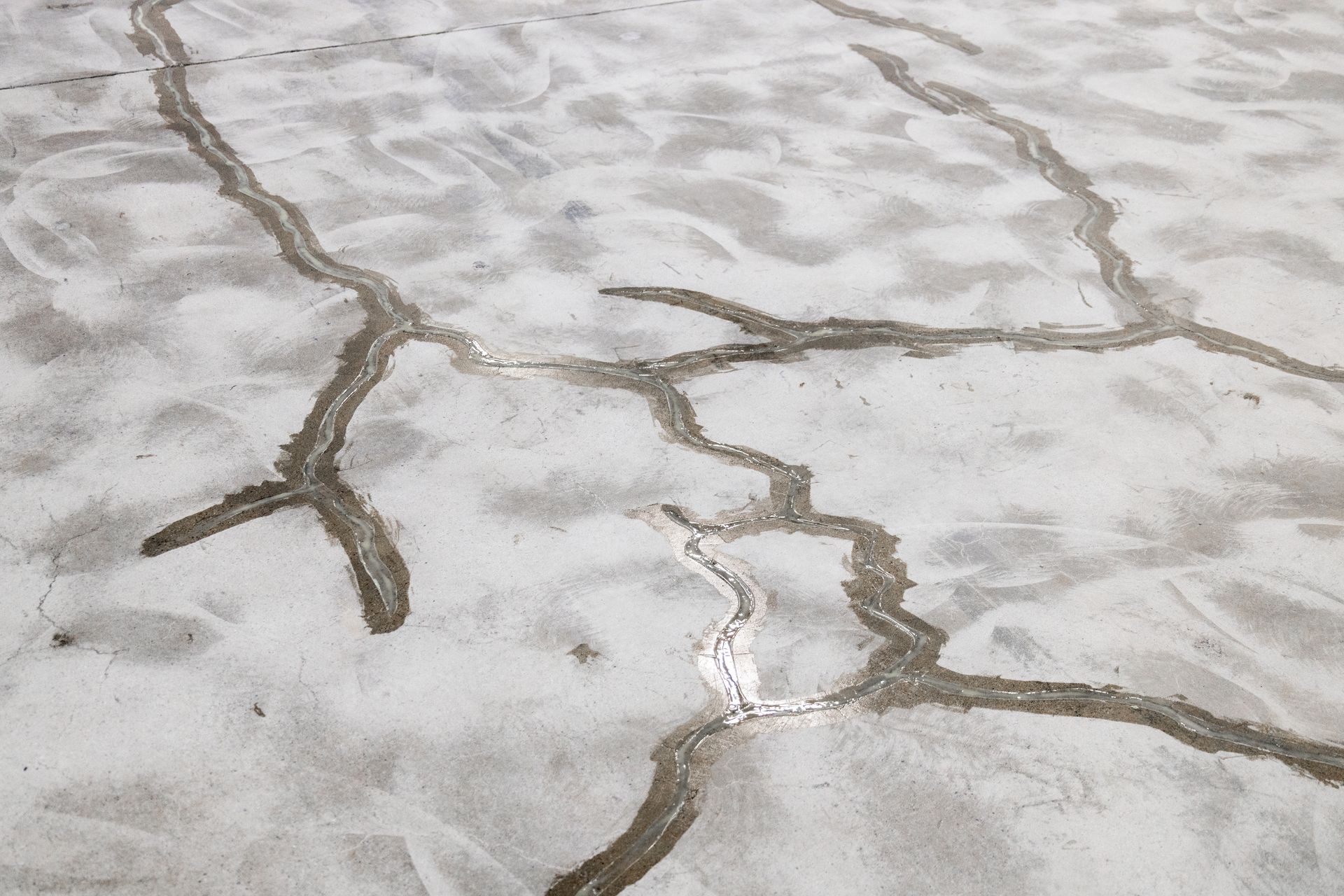
Crack repairs involve routing damaged material into clean edges, removing loose particles, and filling voids with polymer-modified cement or epoxy compounds matched to surrounding concrete strength and flexibility. Resurfacing applies thin bonded overlays across entire sections, building new surface plane over deteriorated concrete when damage is too widespread for individual crack treatment but substrate remains structurally sound. The choice between approaches depends on damage depth and distribution—isolated cracks get individual repair while surface scaling across large areas requires complete resurfacing.
After restoration by Fancy Finishes Epoxy Floors, previously crumbling edges become solid and cleanable, water no longer pools in surface depressions, and the uniform color across repaired areas eliminates the patchwork appearance of aging concrete. Sealed surfaces shed spills instead of absorbing them, and the restored floor supports coatings or polishing that damaged concrete couldn't accept.
Restoration cannot reverse all damage—deeply spalled concrete with exposed rusted rebar requires structural repair beyond surface treatment, and slabs with foundation settlement need underlying support correction before surface work provides lasting value. Realistic assessment distinguishes between surfaces that benefit from restoration and those requiring replacement to solve underlying problems.
Answers to Frequent Service Questions
Property owners in Rosedale considering concrete restoration often need guidance on repair longevity and appropriate intervention timing.
What causes concrete to scale and spall rather than crack cleanly?
Surface scaling results from freeze-thaw damage in concrete with inadequate air entrainment or improper finishing that creates weak surface layer, while spalling indicates corrosion of embedded steel pushing concrete outward. Both conditions spread if untreated, with each freeze cycle propagating more damage into surrounding material.
How does surface preparation differ for repair compounds versus resurfacing overlays in Rosedale?
Crack repairs need clean, sound edges created by saw-cutting or routing, with surfaces profiled for mechanical bonding but not necessarily uniform across the entire slab. Resurfacing requires consistent surface profile across the entire area, achieved through grinding or shotblasting to create uniform texture for overlay adhesion.
When does it make sense to resurface rather than replace damaged concrete floors?
Resurfacing works when substrate remains structurally sound despite surface deterioration, when only the top quarter-inch shows damage, and when underlying foundation supports the slab adequately. Replacement becomes necessary when damage extends deep into the slab, when structural capacity is compromised, or when substrate movement will crack any repair applied over it.
Why do some repairs remain visible while others blend invisibly with surrounding concrete?
Color matching depends on aggregate exposure and weathering patterns—new repair material looks darker until it cures and dries to match existing concrete, but aggregate size and color differences may remain visible. Some repairs intentionally stay visible as honest patches rather than attempting perfect concealment that may not be achievable.
What protective coatings work best after concrete restoration?
Penetrating sealers soak into concrete and provide invisible protection suitable for exterior surfaces or when natural concrete appearance is desired, while film-forming coatings like epoxy create surface barriers with higher chemical resistance for interior floors. Selection depends on exposure conditions, desired appearance, and whether anti-slip texture is required.
Fancy Finishes Epoxy Floors matches restoration methods to damage severity and performance requirements specific to your application. Set up a comprehensive property review to determine which concrete surfaces benefit from restoration versus replacement.