Protection Built for Continuous Equipment Movement
Polyurethane Floor Coatings in Rosedale for commercial spaces experiencing finish wear from chemical exposure and heavy foot traffic
Commercial floors in Rosedale face simultaneous attack from rolling loads, spilled liquids, and UV light coming through storefront windows. Fancy Finishes Epoxy Floors installs flexible protective finishes that absorb impact stress without cracking, resist discoloration from cleaning chemicals, and maintain traction even when wet. These UV-resistant topcoats prevent the yellowing and chalking that make untreated floors look neglected within months of installation.
The coating system bonds to concrete while remaining flexible enough to move with thermal expansion cycles that cause rigid finishes to fracture. Chemical-resistant formulations handle exposure to degreasers, sanitizers, and acidic spills common in food service and retail environments without softening or losing adhesion.
Arrange a facility walkthrough to assess current floor conditions and traffic patterns.
How Polyurethane Systems Address Wear Patterns
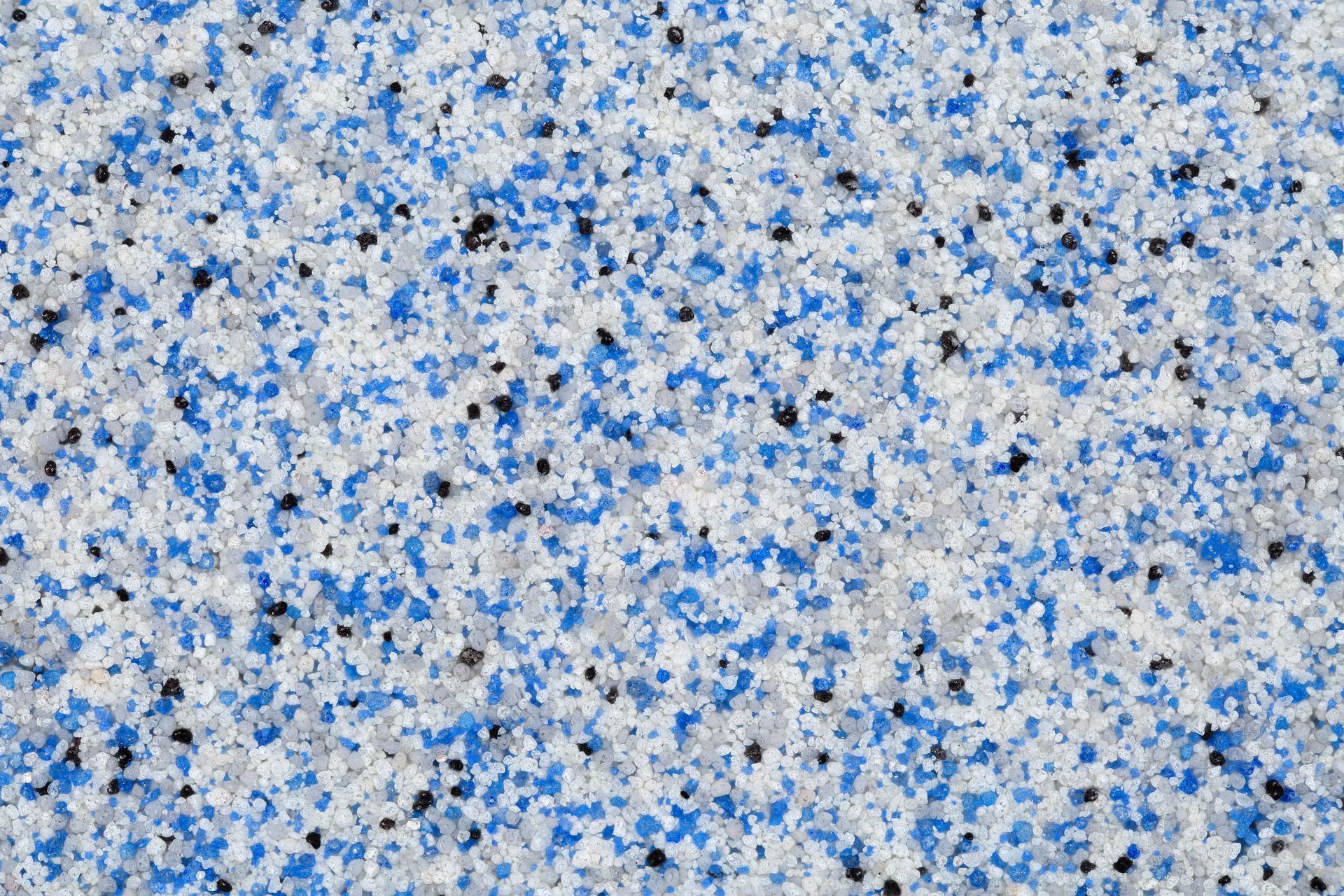
Installation involves abrading concrete to open pores for penetration, applying primer coats that chemically bond with both substrate and topcoat layers, then building thickness through multiple finish applications. Each layer cures before the next goes down, creating a laminated structure that distributes impact forces across the entire coating thickness rather than concentrating stress at a single weak point.
Once the system cures, floors maintain consistent appearance across high-traffic lanes instead of showing worn pathways, spills wipe up without leaving permanent shadows, and the surface texture remains uniform rather than becoming polished smooth in some areas while staying rough in others. The coating prevents concrete dusting that clogs HVAC filters and settles on merchandise.
High-traffic durability depends on proper surface profile before coating—concrete ground too smooth lacks tooth for mechanical bonding, while excessively rough surfaces trap air bubbles that create weak spots. The coating thickness and layer count get adjusted based on expected load types, with forklift traffic requiring different specifications than foot traffic alone.
What Property Owners Usually Ask
Facility managers frequently need clarity on maintenance requirements and expected service life before scheduling floor coating work.
What makes polyurethane more suitable than epoxy for certain commercial applications?
Polyurethane retains flexibility after curing, allowing it to absorb impacts and accommodate substrate movement without cracking, while epoxy cures harder but more brittle. This flexibility proves critical in buildings with temperature swings or slight foundation settlement that would fracture rigid coatings.
How does UV resistance affect floors in Rosedale facilities with large windows?
Direct sunlight breaks down polymer bonds in non-stabilized coatings, causing yellowing and surface chalking that eventually leads to delamination. UV-resistant topcoats include light-absorbing compounds that prevent this degradation, maintaining both appearance and structural integrity in naturally lit spaces.
When should facility floors be recoated rather than stripped and refinished?
Recoating works when existing coatings still adhere firmly and show only surface wear—light scratching, slight gloss reduction, or minor staining. Complete removal becomes necessary when coatings delaminate, when color change is desired, or when previous applications were incompatible products that prevent proper bonding of new layers.
Why do some floor coatings fail along expansion joints while others remain intact?
Rigid coatings can't accommodate the movement that occurs at control joints, causing cracks that propagate into surrounding areas. Flexible polyurethane systems stretch with joint movement, and proper installation includes crack isolation details that allow coatings to flex rather than fracture at these predetermined stress points.
What maintenance practices extend coating life in commercial environments?
Regular dust mopping removes abrasive grit that scratches surfaces, prompt spill cleanup prevents chemical exposure time, and using manufacturer-approved cleaners avoids reactions that soften or dull coatings. Entrance matting systems dramatically reduce tracked-in debris that accounts for most premature wear in the first fifteen feet inside doorways.
Fancy Finishes Epoxy Floors develops maintenance protocols matched to your specific traffic patterns and operational requirements. Contact us to review floor conditions and establish a protection strategy that maximizes coating longevity.